Hebbal
Chair Manufacturer in Hebbal — The Parts That Wear Out First
Which office chair components fail first — gas lift, castors, base, foam, mesh and mechanism — and how to specify chairs for Hebbal offices so they can be repaired, not replaced.
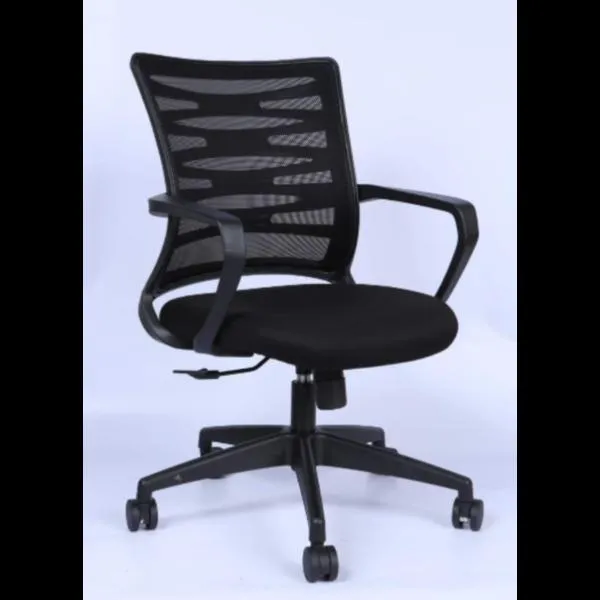
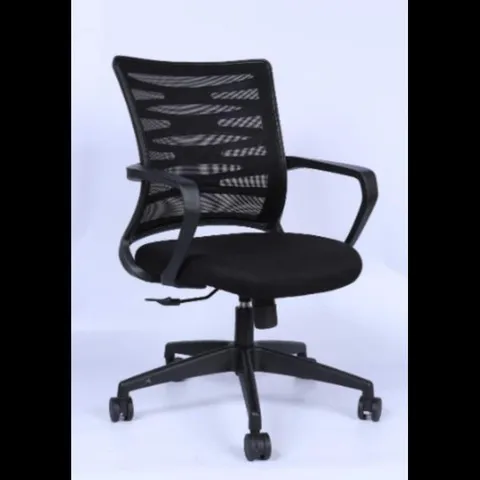
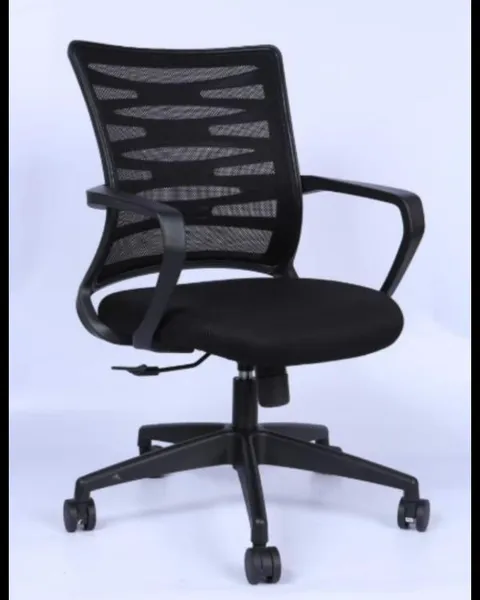
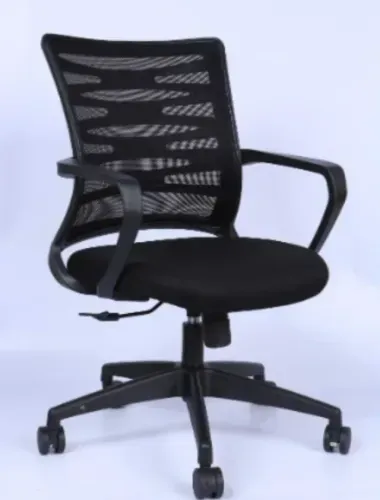
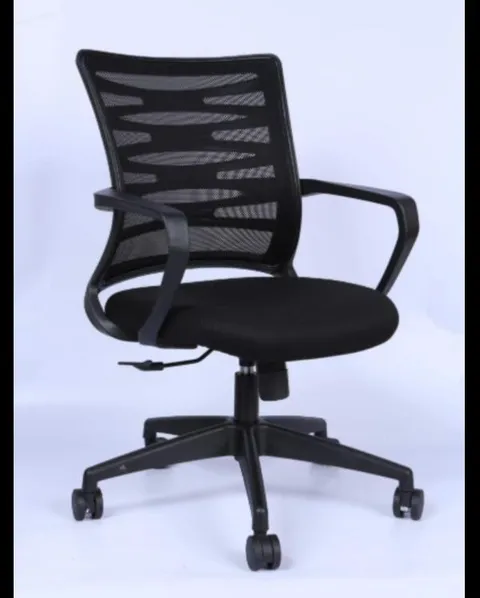
An office chair is the hardest-worked piece of furniture in any building. It is sat in, leaned back in, rolled around, and adjusted several times a day, by a different weight of person each time it changes hands. Nothing else in the office takes that.
So chairs are not really a purchase decision — they are a maintenance decision. The question worth asking is not “will this last five years” but “when a part fails, can it be replaced?”
What fails, in order
1. The gas lift. The most-replaced part on any chair, without exception. It loses pressure, the seat sinks under load, and the user props it up or stops using the chair.
Specify a certified cylinder in a standard diameter and stroke. A standard cylinder is a ten-minute replacement. A proprietary one means the chair is scrap when it goes.
2. Castors. They pick up hair, dust and cable, the swivel bearing seizes, and the chair starts dragging. On hard floors a seized castor also gouges the finish.
Specify twin-wheel castors with a standard stem diameter (11 mm is common), matched to the floor: hard-tread for carpet, soft polyurethane tread for vinyl, tile or wood.
3. Seat foam. Cut slab foam compresses permanently and the seat goes flat, usually within two years of daily eight-hour use.
Specify moulded polyurethane foam, ideally at 40 kg/m³ density or above. Moulded foam holds its shape considerably longer than cut foam of the same density.
4. The mechanism. Synchro tilt mechanisms carry the full load of a reclining user through a small set of pivots. Failure shows as a click, then play, then a backrest that leans permanently to one side.
Specify a mechanism with a stated weight rating, and check it is a bolt-on unit that can be swapped without dismantling the whole chair.
5. Upholstery. Fabric abrades at the front seat edge and the armrest contact points. Mesh, if it is loose rather than tensioned on a frame, sags in the middle and never recovers.
Specify tensioned mesh backs, and for fabric ask for an abrasion rating. On task chairs, a removable seat pad that can be reupholstered separately is much cheaper than replacing chairs.
6. The base. Least likely to fail, but when a nylon base cracks at a spoke the chair is unusable and unsafe. Aluminium bases cost more and effectively never fail.
Buying for a fleet, not a chair
For an office of any size, three practices are worth more than a higher unit price:
- Standardise on one or two models. Spares become interchangeable across the whole floor.
- Buy a small spares kit up front — gas lifts, castors, one mechanism. Repairs then happen the same week instead of the same quarter.
- Record the model and supplier somewhere findable in three years.
Setting them up when they arrive
A chair delivered and not adjusted is a chair that will be blamed for back pain. When a batch is issued, spend ten minutes per person on seat height, tilt tension and armrest height. It is the highest-return activity in any furniture project.
We supply and install office seating across Hebbal and north Bengaluru, working out of our own workshop at #336/10, Hosur Road, Bommanahalli.
Call +91 98807 93666 or email info@srirangainterior.com.