Bengaluru
Choosing Chair Upholstery for Bengaluru's Climate
Choosing chair upholstery for Bengaluru's climate: mesh versus fabric versus leatherette, foam density, abrasion resistance, cleaning and reupholstery over a chair's life.
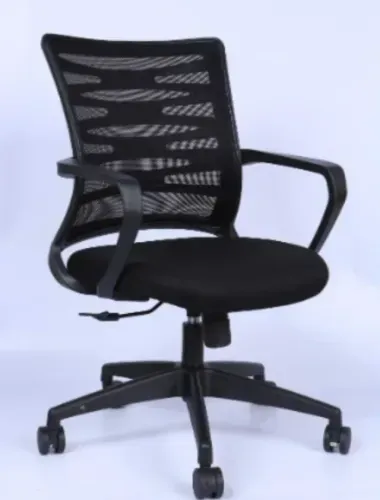
Two chairs with identical frames and mechanisms can feel completely different, and the difference is entirely in what you sit on. Upholstery is also the component most likely to look bad long before anything has actually failed.
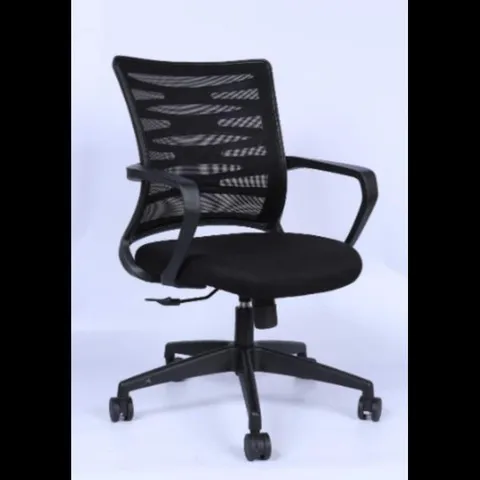
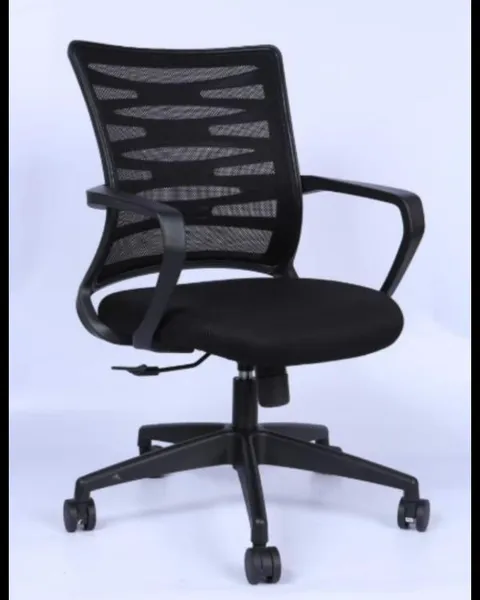
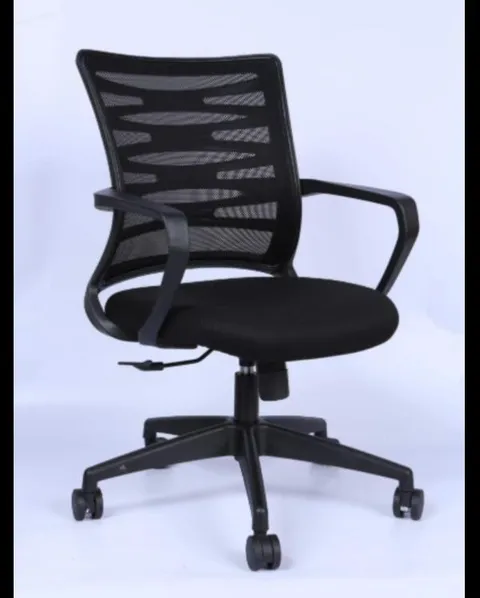
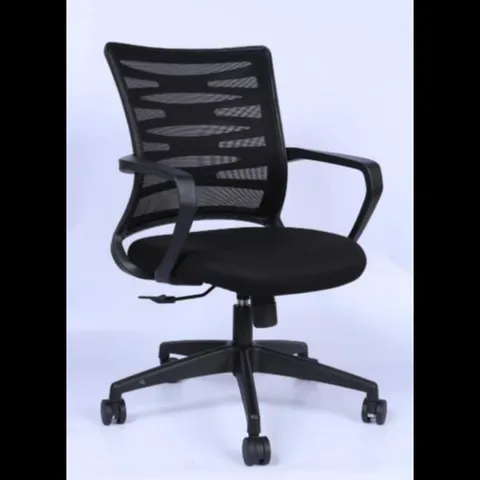
Mesh
Where it belongs: backrests, and occasionally seats.
Mesh works because it is permeable. Air moves through it, so the contact area between your back and the chair does not become a warm damp patch by mid-afternoon. In Bengaluru’s climate — mild by Indian standards but warm for most of the year, and humid through the monsoon — this is a genuine daily benefit rather than a marketing point.
The distinction that matters: tensioned mesh on a frame versus loose mesh over foam. Tensioned mesh conforms to your back and springs back. Loose mesh over a foam pad sags in the middle within a year or two and never recovers.
On seats, mesh is less successful. It concentrates pressure at the frame edge and it collects crumbs and dust that cannot be brushed out.
Fabric
Where it belongs: seats, and backs where mesh is not used.
The two specifications that matter:
- Abrasion resistance. Ask for a rating. Office task seating takes serious wear at the front seat edge and at armrest contact points.
- Weave tightness. A loose weave snags on trouser zips and bag buckles.
Fabric breathes reasonably, cleans acceptably with a foam upholstery cleaner, and can be replaced. A chair with a removable seat pad can be reupholstered for a fraction of the cost of replacement, which extends a fleet’s life considerably.
Leatherette
Where it belongs: executive and visitor chairs.
It looks smart, wipes clean instantly, and does not breathe at all. For a chair occupied for an hour at a time it is an excellent choice. For a task chair occupied eight hours a day in a warm office it is the wrong material, regardless of how good it looks in the cabin.
Poor-quality leatherette also cracks and peels at the seat front edge after a few years, at which point the chair looks worse than a worn fabric one.
Foam
Underneath whatever covers it, the foam is what determines comfort at hour four.
- Moulded high-resilience polyurethane, ideally 40 kg/m³ or above. Holds its shape.
- Cut slab foam compresses permanently. Within two years of daily use it develops a hollow, and that hollow concentrates pressure exactly where you do not want it.
- A waterfall front edge, curving down and away, rather than a square edge that presses into the back of the thigh.
Maintenance
- Vacuum fabric seats periodically. Dust in the weave accelerates abrasion.
- Spot-clean with upholstery foam, not water. Soaking fabric seats leaves rings and can reach the foam.
- Wipe leatherette with a damp cloth only; solvents strip the coating.
- Do not attempt to clean tensioned mesh with a brush — it stretches. A vacuum on low suction is sufficient.
Buying for a fleet
Standardise on one or two models across the office. It makes spares interchangeable, makes reupholstery a batch job, and keeps the floor looking consistent as chairs are replaced over time.
We supply and install office chairs and seating across Bengaluru from our own workshop at #336/10, Hosur Road, near ICICI Bank, Bommanahalli 560068.
Call +91 98807 93666 or email info@srirangainterior.com.