Bannerghatta
Chair Manufacturer in Bannerghatta — Which Chair for Which Role
Task, executive, visitor, conference, canteen and lab seating compared for Bannerghatta offices — what each type needs and where buying the wrong one costs money.
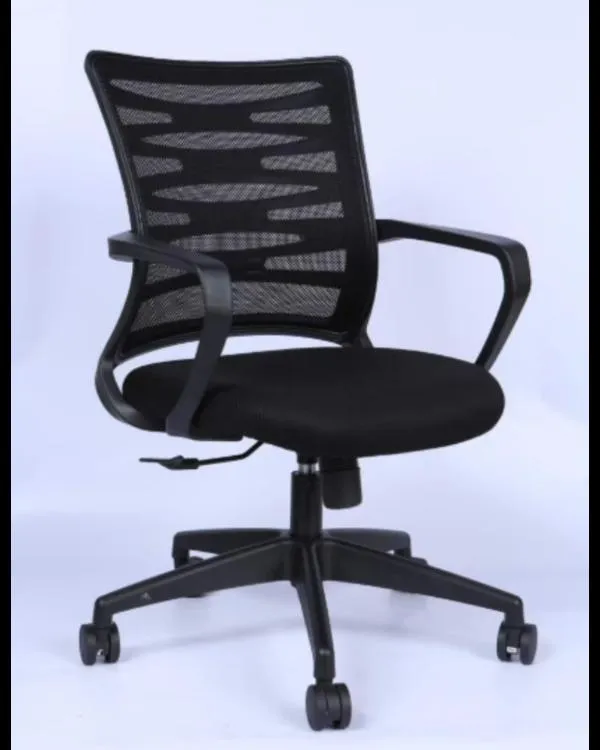
Offices tend to buy chairs in two categories: “the good ones for the cabins” and “the normal ones for everyone else.” That split gets it backwards. The chair that needs the most engineering is the one someone sits in for eight hours — which is almost never the cabin chair.
Here is a role-by-role breakdown.
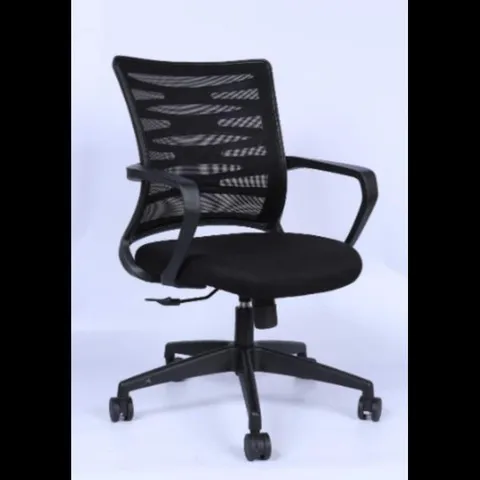
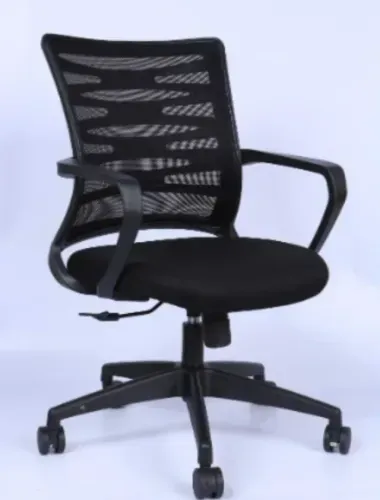
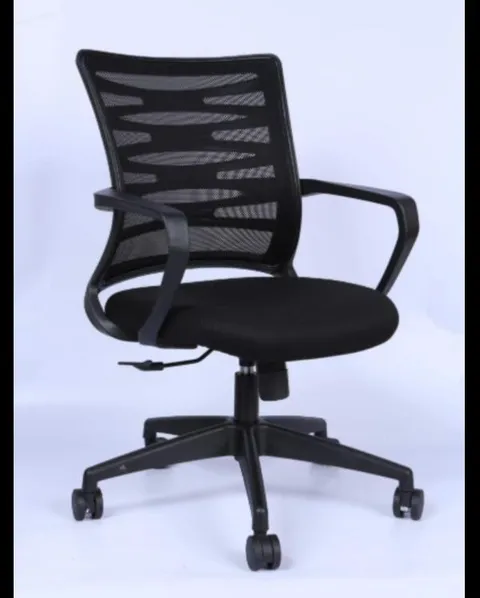
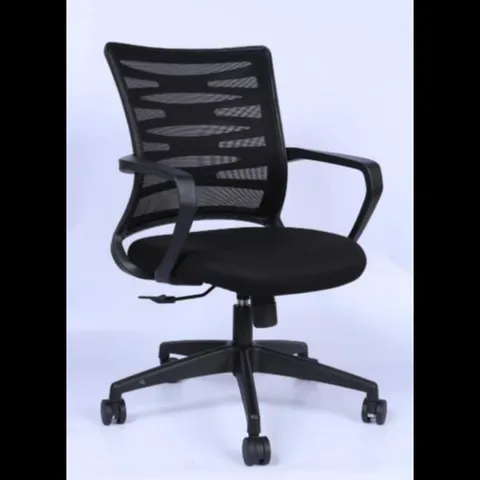
Task chair — the one that matters
Used: 6-9 hours daily, by one person, at a desk.
Needs: height adjustment, synchro tilt, adjustable tilt tension, adjustable lumbar, height-adjustable arms, a breathable back, moulded high-resilience foam seat, castors matched to the floor.
Where to spend: here. This is the highest-use item in the building and the only chair where every adjustment earns its cost.
Common mistake: buying a mid-back chair with fixed arms and a simple tilt because the price is attractive across 40 units. The saving is real; so is the complaint rate.
Executive chair — image plus intermittent use
Used: several hours daily, but with the occupant frequently away in meetings.
Needs: high back with headrest, a substantial presence, recline for reading and calls. Full ergonomic adjustability is less critical here than in a task chair, because the sitting is more varied.
Note: leatherette or leather is the convention and looks right in a cabin. It breathes poorly, which matters less for intermittent use.
Visitor chair — comfort for 20 minutes
Used: short visits, cabins and reception.
Needs: no adjustment at all. A fixed-frame chair — cantilever or four-leg — with a comfortable seat and back angle. Stackability is useful if the space doubles as overflow.
Where to save: here, without hesitation. Adjustable mechanisms on a visitor chair are money spent on something nobody will touch.
Conference chair — the middle case
Used: 1-3 hours at a stretch, by different people.
Needs: height adjustment (people of very different heights sit at the same table), a light recline, and arms low enough to pass under the table so chairs can be pushed in.
Common mistake: conference chairs with wide fixed arms that hit the table edge, so nothing tucks in and the room looks permanently untidy.
Canteen and cafeteria seating
Used: 20-25 minutes, high turnover, wiped down daily.
Needs: no upholstery, or wipeable upholstery. Polypropylene shell, moulded ply, or metal frame with a laminate seat. Stackable for cleaning. Light enough for staff to move.
Common mistake: fabric-upholstered chairs in a canteen. They absorb food, they stain, and they cannot be cleaned properly.
Laboratory and workshop stools
Used: at bench height, standing-to-perched work.
Needs: height range suited to a 900 mm bench, a footring, a wipeable seat, and — in ESD environments — dissipative upholstery and conductive castors as part of the grounding path.
Summary
| Role | Adjustability | Upholstery | Priority |
|---|---|---|---|
| Task | Full | Mesh back, HR foam seat | High spend |
| Executive | Moderate | Leatherette / leather | Moderate |
| Visitor | None | Fabric or leatherette | Low spend |
| Conference | Height + light tilt | Fabric | Moderate |
| Canteen | None | Wipeable shell | Low spend |
| Lab / ESD | Height + footring | Wipeable / dissipative | Function-driven |
We supply and install office seating across Bannerghatta from our workshop at #336/10, Hosur Road, Bommanahalli.
Call +91 98807 93666 or email info@srirangainterior.com.