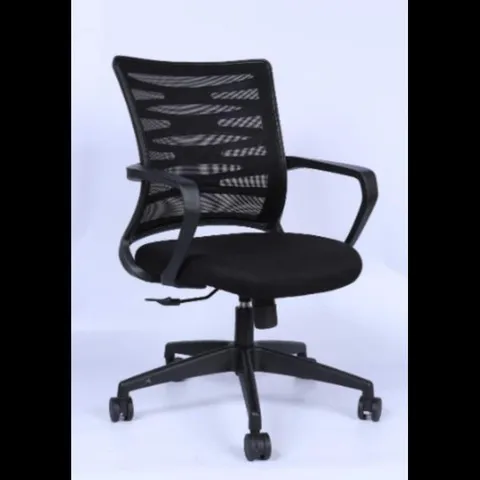
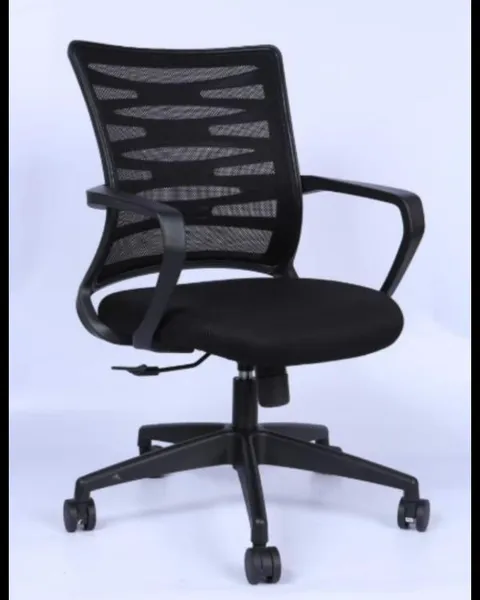
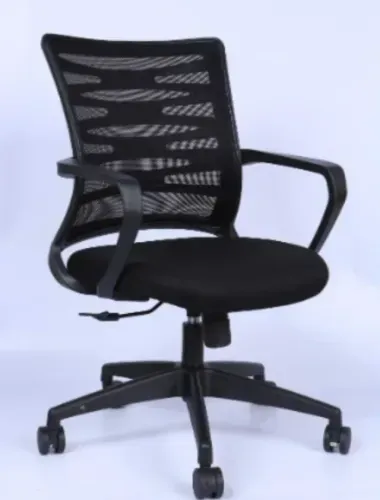
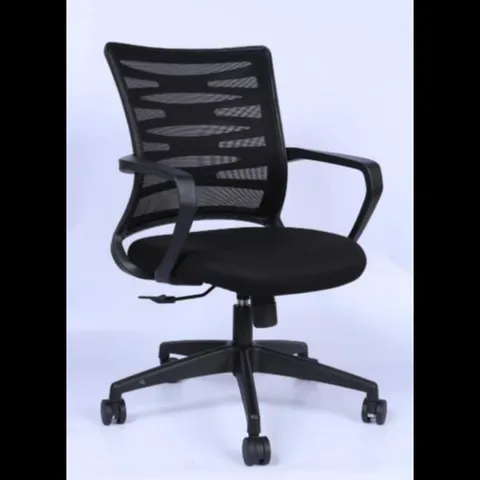
BTM Layout
Chair Manufacturer in BTM Layout — Understanding Chair Adjustments
What each office chair adjustment actually does — synchro tilt, tilt tension, seat depth, lumbar and armrests — and which ones are worth paying for in BTM Layout offices.
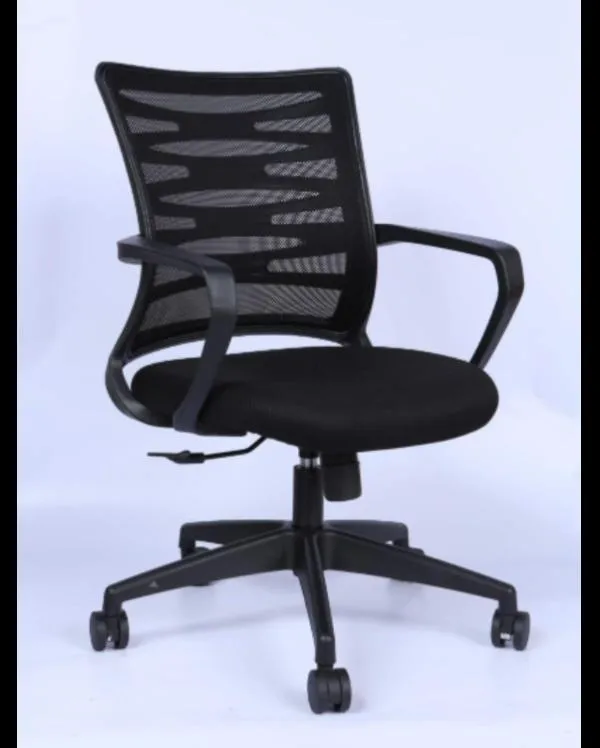
Office chairs are sold on the number of adjustments. Most users never touch more than one of them. That is not a user failure — it is that nobody explains what each lever does, and half the adjustments on a mid-range chair do very little anyway.
Here is what each mechanism actually changes, in the order of how much it matters.
Height adjustment — essential
Every chair has it, via a gas lift. It is the single most important adjustment because it sets the relationship between your elbows and the desk.
Set it by: sitting with feet flat and thighs horizontal. Then check your forearms against the desk. If they are below the surface, raise the chair and add a footrest.
What to look for: a certified gas lift with a standard cylinder diameter, so it can be replaced when it eventually loses pressure — which it will, on any chair, after a few years of daily use.
Tilt tension — essential, almost always ignored
The knob under the seat that takes many turns and appears to do nothing. It sets how much force is needed to recline. Set for a light person, a heavy user is thrown backwards; set for a heavy person, a light user cannot recline at all.
It should be adjusted once, per user, when the chair is issued. In practice it never is, which is why so many people sit permanently upright in a chair with a perfectly good recline.
Synchro tilt — worth having
In a simple tilt, seat and backrest recline together as one plate, which lifts your feet off the floor. In a synchro tilt, the backrest reclines at roughly twice the rate of the seat — usually described as a 2:1 ratio. Your feet stay planted and your thighs stay supported while your back opens up.
This is the one mechanism that genuinely justifies a step up in chair price for people sitting six-plus hours a day.
Seat depth — worth having for mixed teams
Slide adjustment of the seat pan. The target is a 50-70 mm gap between the front edge of the seat and the back of the knee. Too deep and the seat edge presses into the calf, restricting circulation. Too shallow and the thigh is unsupported.
A fixed seat depth is fine if your team is of similar build. Across a mixed office, it is the adjustment people notice most after height.
Lumbar support — depends on execution
Adjustable lumbar height is useful. A fixed foam bulge marketed as lumbar support is not. On mesh backs, look for a separate lumbar pad that moves independently of the mesh frame.
Armrests — the most oversold adjustment
Height-adjustable arms are useful: they should let the forearm rest without lifting the shoulder. Width, depth and pivot adjustment on top of that produce diminishing returns and more parts to break. Armrests that are too high are worse than no armrests at all, because they force the shoulders up all day.
Materials for the Bengaluru climate
- Mesh backs breathe well and suit our warm months. Look for tensioned mesh on a frame rather than loose mesh over foam.
- Fabric seats with high-resilience moulded foam, ideally 40+ kg/m³ density, hold their shape far longer than cut-and-stitched slab foam.
- Leatherette looks smart in cabins but traps heat; it belongs on visitor and executive chairs used intermittently, not on eight-hour task seats.
We manufacture and supply office seating and install across BTM Layout. Call +91 98807 93666 or email info@srirangainterior.com.