Whitefield
Manager Tables in Whitefield: Choosing Finishes That Match Your Interiors
Laminate, veneer, acrylic and glass compared for manager tables. How to match office furniture finishes to a brand palette without it dating badly.
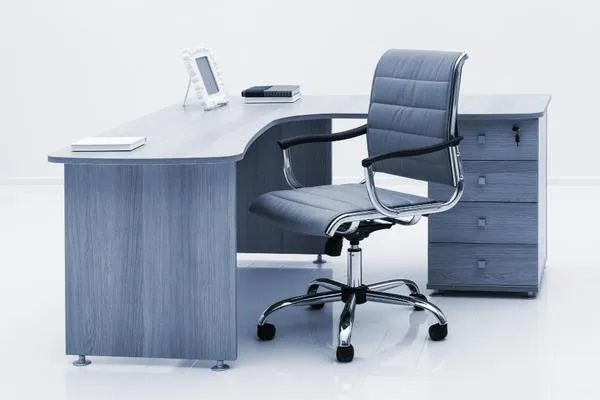
A manager table is one of the few pieces of office furniture that is looked at rather than just used. It sits in a room visitors enter, and it is usually the largest object in that room. That makes the finish decision more consequential than it is on a desk in an open field of desks — and finish is where most of the money and most of the regret in this category sits.
The realistic options
Decorative laminate. Consistent, wide colour and pattern range, resistant to scratching and heat, and repairable only by replacing the panel. It is the workhorse. Modern textured laminates that register with the printed woodgrain are convincing enough at normal viewing distance that the case for veneer on cost grounds is weaker than it used to be.
Natural veneer. Real wood, so every panel differs. Warmer and deeper than any print, and it can be refinished after damage. It also fades unevenly in strong daylight, requires more care, and needs matching across panels at the manufacturing stage — which only works if the whole piece is made in one run from sequenced leaves.
Acrylic / high-gloss laminate. Very high sheen, contemporary, and unforgiving. It shows every fingerprint and every fine scratch. Best used on a vertical front panel where nothing touches it, and avoided on the worktop.
Glass. Usually toughened, often back-painted, sometimes over a wood or steel frame. Visually light, easy to clean, noisy in use, and shows dust immediately.
Powder-coated steel. For legs, frames and modesty panels. Nearly indestructible if the pre-treatment was done properly, and available in the same colour range as any brand palette.
Matching a brand palette without regretting it
The instinct when a company has a strong brand colour is to put that colour on the furniture. It rarely works and it dates fast. A more durable approach:
- Keep large horizontal surfaces neutral. Worktops in a neutral wood tone or a mid grey never look wrong.
- Put the brand colour on small vertical elements — a modesty panel, a drawer front, a screen fabric. Small areas can be changed later at low cost.
- Match sheen levels across the room, not just colours. Two different neutrals at the same sheen look intentional; two matched colours at different sheens look like a mistake.
- Consider the light. Whitefield’s newer office buildings are heavily glazed. Under high daylight, warm-toned laminates read warmer and gloss surfaces produce noticeable reflections off the glazing. Sample in the actual room, at the actual time of day, not in a showroom.
What to check on a sample
- Is the edge band the same batch and tone as the face? Mismatched edges are the commonest visible defect.
- Is the sheen consistent across the whole sample, or does it vary near the edges?
- On veneer, has the leaf been sequenced across adjacent panels, or randomly applied?
- Does the finish continue on surfaces you cannot see from the door? A back panel finished only on one side will warp.
Consistency across a set
If the manager table, the side storage and the visitor seating are bought from three sources, they will not match, no matter how carefully the colours were chosen. Laminate batches vary; so do wood tones. Ordering a cabin’s furniture as one manufacturing run is the only reliable way to get a matched set.
See the samples in the room
We manufacture manager tables at our own Bommanahalli workshop and can supply full-size finish samples to view in your Whitefield office before production. Call +91 98807 93666 or email info@srirangainterior.com.